Vanderholt Technologies did not begin in a boardroom. Its story began in the corridors of the University of Bristol in 2021–22, with a deceptively simple question: could technology understand markets better than human intuition alone?
Origins
It Started With a Question
Vanderholt Technologies did not begin in a boardroom.
Its story began in the corridors of the University of Bristol in 2021–22, where an electrical engineer who had crossed disciplines into development economics became increasingly fascinated by a deceptively simple question:
Could technology understand markets better than human intuition alone?

The work of Jim Simons and Renaissance Technologies provided an early inspiration. The idea that mathematics, data, computation and disciplined experimentation could uncover patterns invisible to conventional investors was compelling.
But there was another lesson too.
Markets do not move in straight lines. What performs brilliantly in one environment may struggle in another. The philosophy associated with Ray Dalio’s approach to diversification raised a second question: could a quantitative system pursue exceptional returns while still being built to survive very different market regimes?
Those two ideas—systematic intelligence and diversification—became the foundations of what would eventually become Vanderholt Technologies.

From Bristol to the Markets
The first experiments were modest.
Research began with on-chain digital assets, where enormous quantities of transparent market and blockchain data provided a natural laboratory for quantitative modelling.
Then came traditional, off-chain markets.
Equities. Factors. Momentum. Market regimes. Portfolio construction.
And eventually, derivatives.
Each new market created another problem to solve. Models became more sophisticated. Data pipelines became larger. Risk management became more important. What had started as experimentation gradually evolved into an interconnected quantitative research architecture.
The objective was never simply to produce another trading algorithm.
The ambition was to build a system capable of observing markets, processing large quantities of information, identifying opportunities, testing hypotheses and managing risk within a common technological framework.

2024
The Team Comes Together
By 2024, the project had outgrown the efforts of any single researcher.
Like-minded engineers, financial professionals, lawyers and technologists began working together.
They brought very different ways of thinking to the same problem.
-
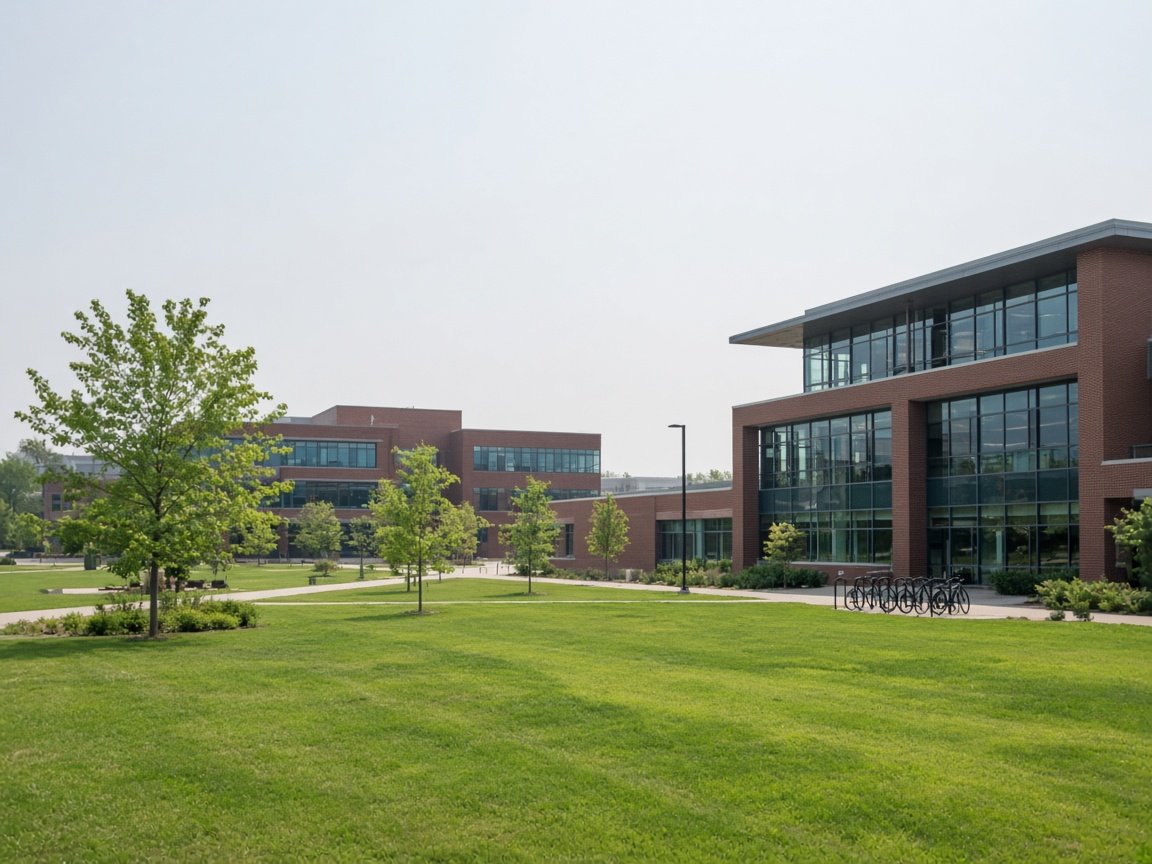
United States. Systems thinking and technical depth. -

Britain. Fintech practice, and long sessions under grey skies. -
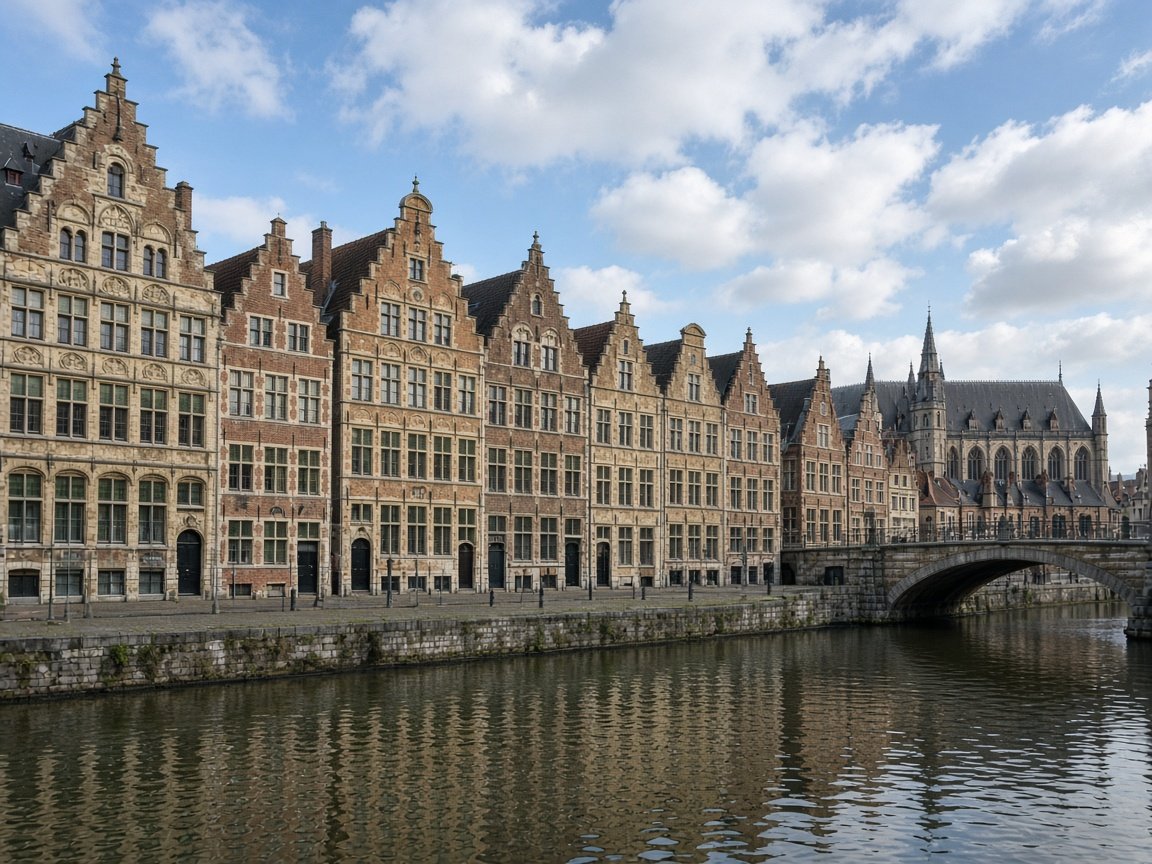
Flanders, Belgium. Pragmatism, and a habit of questioning the usual way. -

South Asia. Law, finance and markets as they actually operate.
Engineering experience shaped in the United States contributed systems thinking and technical depth.
British fintech specialists brought experience from one of the world’s most developed financial-technology ecosystems—along with the occasional long coding session under Britain’s reliably grey skies.
Flemish entrepreneurial thinking contributed pragmatism, independence and the willingness to challenge established ways of doing things.
And South Asian legal, financial and commercial minds brought another dimension: understanding how technology has to operate not merely in theory, but within the complicated reality of markets, institutions, regulation and business.
Different countries.
Different professions.
Different perspectives.
One obsession:
Can we build better financial technology?
Breakthrough
Zeus 1.0

That collaboration produced the first major breakthrough:
Zeus 1.0.
Zeus represented a shift from isolated quantitative models toward an integrated analytical architecture.
Artificial intelligence and machine learning were combined with quantitative research, market data, systematic strategies and risk controls.
The aspiration was deliberately ambitious.
Institutional platforms such as BlackRock’s Aladdin demonstrated what could happen when data, analytics and risk technology were integrated into a common system. Vanderholt’s objective was not to reproduce another company’s technology, but to pursue that same fundamental idea in its own way:
build intelligence as a system rather than a collection of disconnected models.
Zeus became the internal technological foundation on which further research could be built.
2025
Zeus 2.0
Research did not stop with the first successful architecture.
Throughout 2025, the team continued experimenting.
Models were discarded.
Others were rebuilt.
New datasets were introduced.
Artificial-intelligence techniques evolved.
Momentum systems were refined. Derivatives research expanded. Risk controls became more sophisticated. On-chain and traditional market research increasingly became parts of the same technological ecosystem.
From that process emerged:
Zeus 2.0.

It was not simply a larger version of Zeus 1.0.
It represented another step toward Vanderholt’s long-term objective: a continuously evolving quantitative research platform capable of combining AI, machine learning, market prediction, momentum, derivatives, portfolio analytics and risk management.
And, characteristically, the work continued.
Because a model is never finished merely because it works today.
Markets change.
Technology changes.
The system must change with them.
2026
From a Research Project to Vanderholt Technologies
Eventually, the project needed a home.
In 2026, Vanderholt Technologies Limited was formally incorporated in the United Kingdom.
The purpose of creating the company was straightforward:
to turn years of experimentation, research and engineering into a serious technology organisation—and to demonstrate what disciplined quantitative research and modern computing can build.
Vanderholt develops technology for understanding financial markets.
We build quantitative models.
We research artificial intelligence and machine learning.
We study momentum and market regimes.
We develop derivatives and risk-management systems.
We work across both traditional and decentralised markets.
And we continue building Zeus.
Clarity
What Vanderholt Is — And What It Is Not
Vanderholt Technologies Limited is a technology company.
It is not a hedge fund.
It does not invite members of the public to deposit money with it.
It does not solicit investments into a pooled investment vehicle.
Our work centres on software, quantitative research, artificial intelligence, analytics and financial technology.
Where our systems are used for proprietary research or trading, they are applications of technology developed internally—not an invitation to the public to participate in an investment fund.
Nothing published on this website should be interpreted as investment advice, a recommendation to buy or sell a security or digital asset, or a promise of future investment performance.
Looking ahead
The Next Chapter
The original question from Bristol has never really disappeared.
It has simply become bigger.
Can machines identify patterns humans overlook?
Can artificial intelligence improve the way financial information is interpreted?
Can quantitative systems adapt as markets change?
Can sophisticated models pursue opportunity without forgetting risk?
And can a relatively small group of people from different professions and different parts of the world build technology capable of competing intellectually with systems created by organisations many times their size?
We believe those are questions worth spending years trying to answer.
That is why Vanderholt exists.
Built from curiosity.
Tested by data.
Improved by failure.
Driven by engineering.
And still building.